

Choosing the Right Industrial Pump Isn't Just About Price

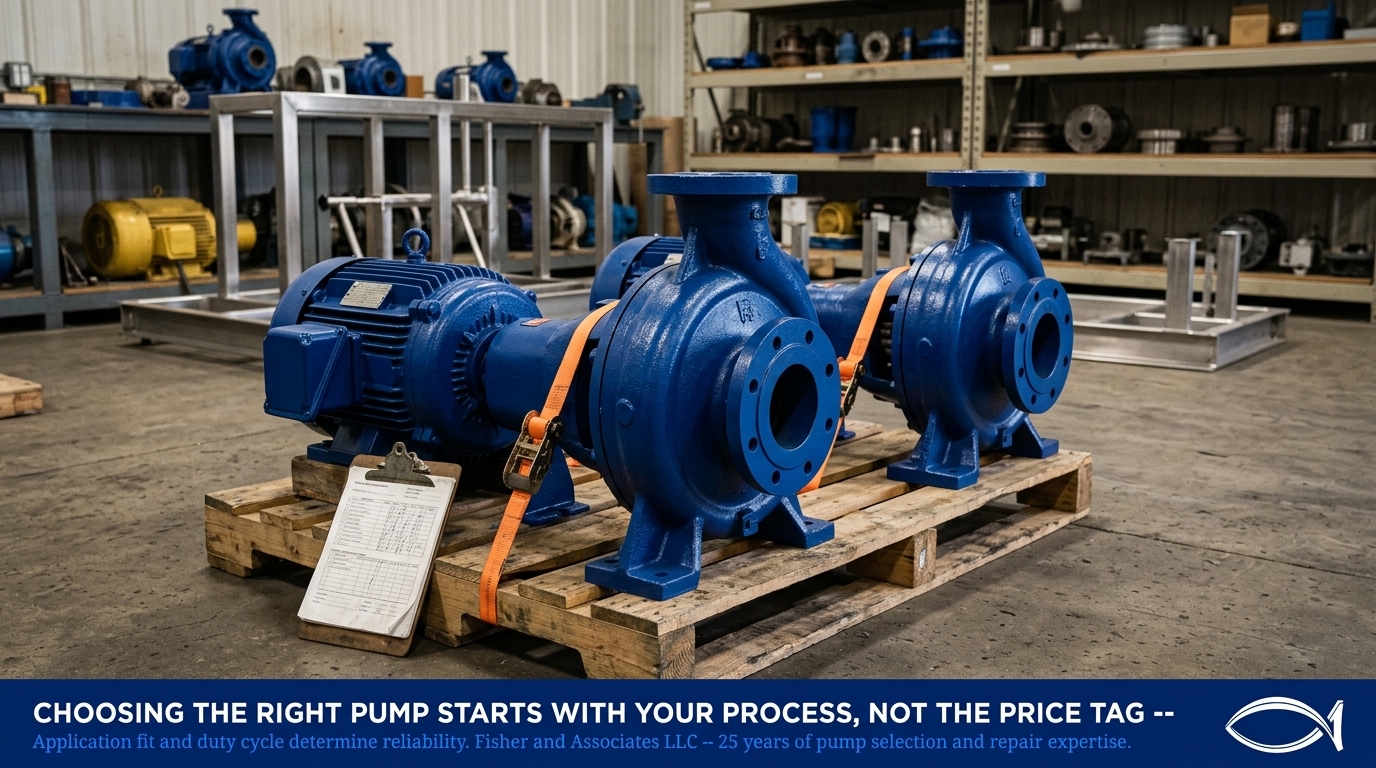
Choosing an industrial pump based solely on price can quickly backfire when summer peak demand hits your system. Many operators learn the hard way that a low upfront cost often leads to costly downtime, frequent repairs, and inefficient operation. After 25 years in pump supply and repair, we’ve seen the real savings come from selecting pumps that match your application, preserve uptime, and reduce hidden lifecycle costs. Keep reading to learn why a well-fitted pump outperforms the cheapest bid every time. Learn more about choosing the right industrial pump for your facility.
The Price Trap in Pump Selection
When selecting an industrial pump, many fall into the price trap. The initial low cost can be tempting, but it often leads to more expenses down the line. Understanding this concept is the first step in making better purchasing decisions.
Common Mistakes in Buying
Price-focused buying is a common pitfall. When you choose based purely on cost, you might overlook critical aspects such as pump sizing and efficiency. This can lead to mismatched equipment that doesn't meet your system's needs. A pump that's too small won't handle demand, while one that's too large can waste energy. Most buyers think they’re saving money, but they’re actually setting themselves up for future problems.
Hidden Costs of Cheap Pumps
Cheap pumps often come with hidden costs. They might require more frequent repairs or replacements, leading to downtime. Imagine a pump failing in the middle of a busy season. The cost of repairs and lost productivity can quickly surpass any initial savings. Plus, inefficient operation means higher energy bills. In the end, what seemed like a bargain becomes a financial burden.
Key Factors in Choosing Pumps
To avoid the pitfalls of price-only decisions, consider key factors in pump selection. These factors include understanding your system’s requirements and the pump’s reliability. Addressing these will ensure you make a sound investment.
Understanding System Requirements
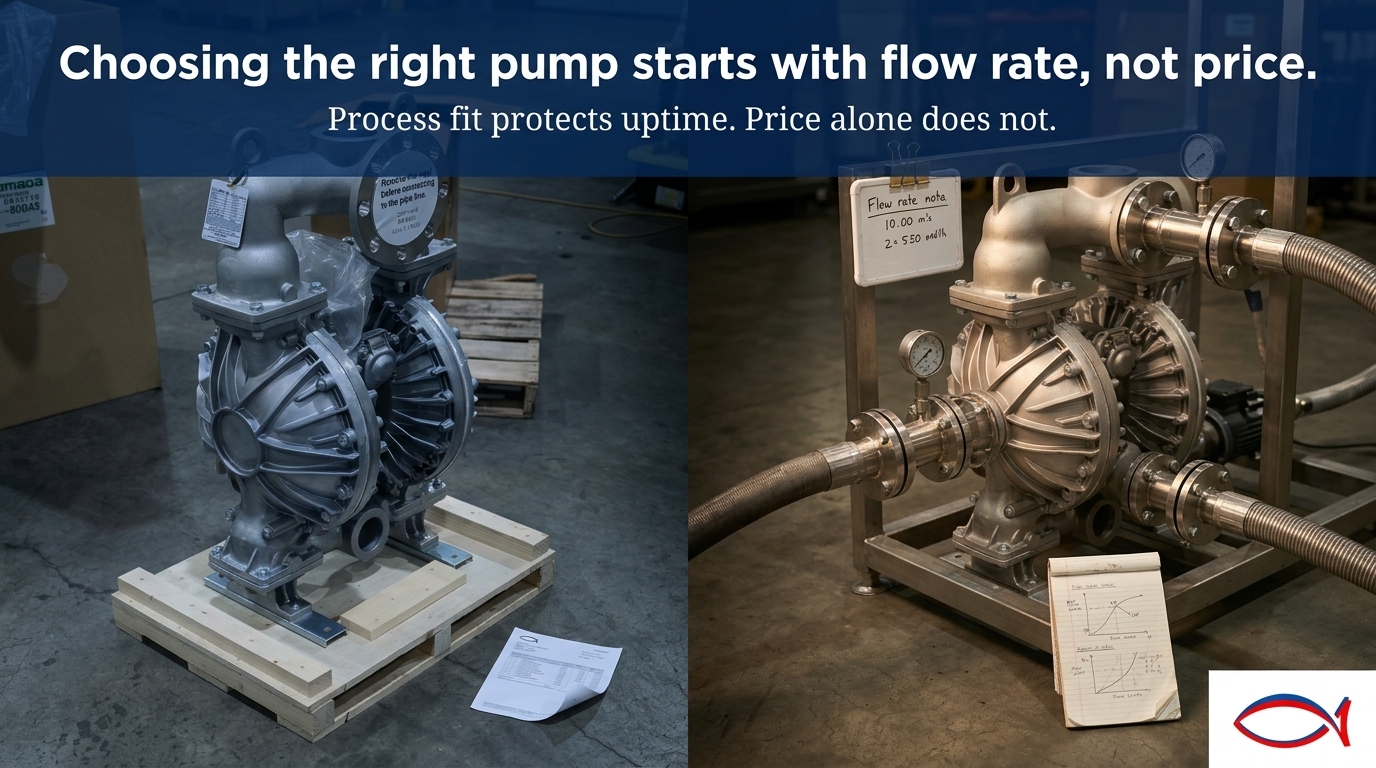
Understanding your system’s requirements is crucial. This involves knowing the flow rate, pressure, and specific characteristics of your operation. For instance, consider the BEP or Best Efficiency Point of the pump. Operating close to this point ensures maximum efficiency and reliability. This not only reduces energy consumption but also prolongs the pump's lifespan.
Importance of Pump Reliability
Reliability is another critical factor. A reliable pump minimizes downtime and maintenance costs. Consider its Mean Time Between Failures (MTBF), which indicates how often you can expect it to fail. A higher MTBF means fewer interruptions and more consistent performance. Always prioritize reliability over cost to keep your operations running smoothly.
Long-term Benefits of Right Fit
Choosing the right pump brings long-term benefits. These include better lifecycle costs and improved serviceability. Here, we explore how these benefits outweigh initial savings from cheaper options.
Lifecycle Cost and Efficiency
Focusing on lifecycle costs ensures you get value over time. This includes the purchase price, maintenance, and operational costs. A pump that is energy efficient and has low maintenance needs will save you money in the long run. For example, integrating variable frequency drives (VFDs) can significantly reduce energy costs, making your system more efficient.
Role of Maintenance and Serviceability
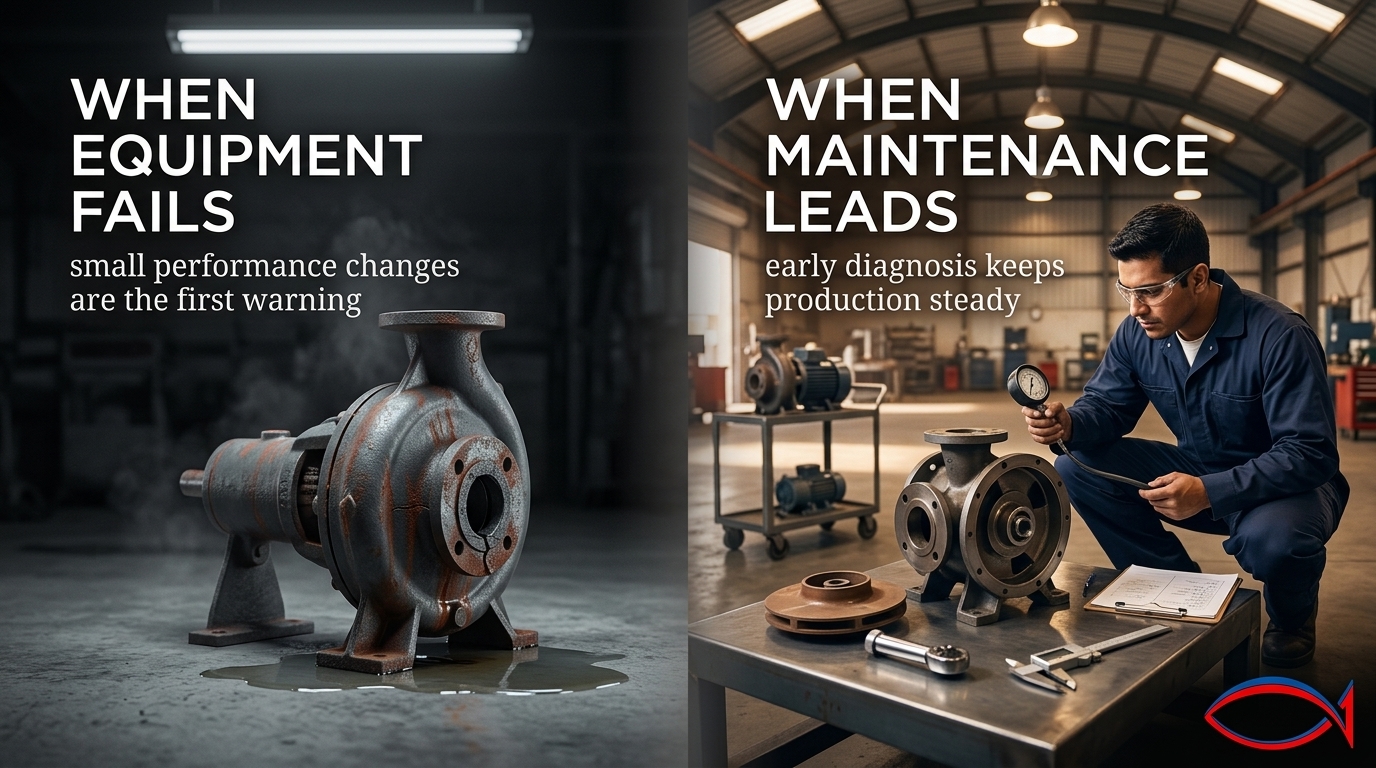
Maintenance and serviceability are key to sustaining pump performance. Easy access to spare parts and regular condition monitoring help identify issues before they escalate. This proactive approach reduces downtime and repair costs. The longer you wait to address maintenance, the more likely you are to experience unplanned outages, which can be costly.
Frequently Asked Questions
What are the most important factors in industrial pump selection?
The most important factors include understanding your system's specific flow rate, pressure needs, and operational environment. Reliability and energy efficiency are also crucial to ensure cost-effective, long-term operation.
Why is it risky to choose a pump based on price alone?
Choosing a pump based solely on price can lead to higher long-term costs due to inefficiencies, increased energy consumption, and more frequent repairs, which negate initial savings.
How does pump reliability impact operations?
Reliable pumps minimize downtime, maintenance needs, and disruptions in operations. This ensures continuous production and reduces the risk of costly breakdowns.
Comments