

Pump Selection Is an Operating Decision: Match Process, Fluid, and Duty Cycle for Peak Summer Uptime

Choosing an industrial pump based on price alone can lead to costly downtime when summer demand hits. After 25 years working with pumps in North Georgia and Southeast Tennessee, we know the real key lies in matching your pump to the process, fluid, and duty cycle. Getting this right means smoother operation, fewer surprises, and steady production when it matters most. Let’s look beyond price to what truly protects your uptime during peak season. For more insights on pump selection, check out this guide.
Reframing Pump Selection
Beyond Price: Real-World Needs
Choosing a pump involves more than just looking at the price tag. It's about making informed decisions that keep your operations smooth even during peak seasons. When you think beyond cost, you focus on what truly matters.
Common Missteps in Pump Buying
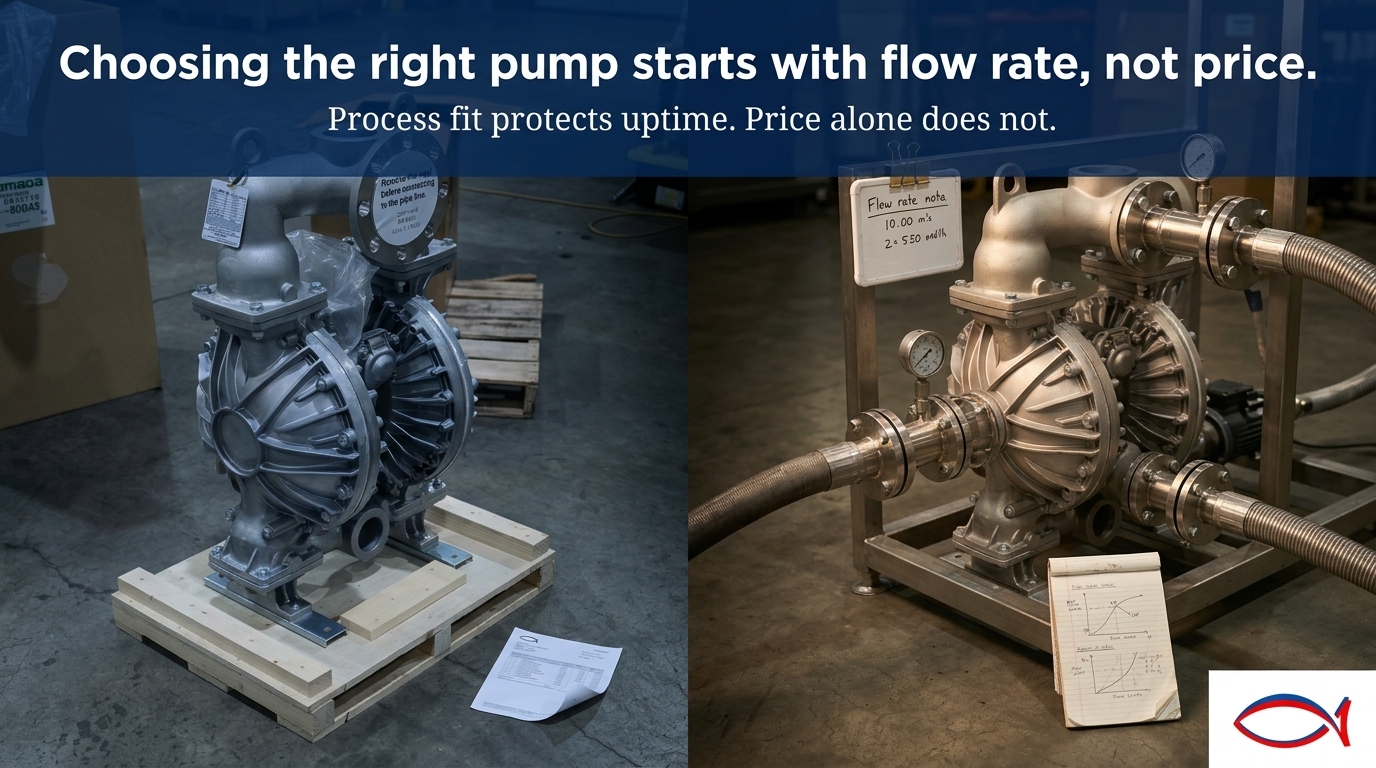
Many buyers fall into the trap of picking pumps based on initial cost. This often leads to mismatches in performance and increased downtime. Low upfront costs can disguise expensive maintenance and repairs later.
A real-world example: A facility chose a cheaper pump option, only to face frequent breakdowns due to incorrect sizing. The downtime costs far outweighed the initial savings. This highlights why application fit is crucial. Here’s a helpful resource for further understanding.
Application-Driven Decisions
Your process and fluid details should guide pump selection. When you align these factors, you secure reliability and efficiency. Think of pump selection as an operating decision, not just a purchase. It's about the right fit for steady performance.
Critical Factors for Uptime
Process Conditions and Fluid Properties
Understanding your process conditions and the properties of the fluid you're working with is key. This knowledge helps in selecting a pump that can handle the specific demands of your operation.
For instance, thicker fluids require pumps designed to handle higher viscosities. Choosing a pump fit for these fluid properties ensures smoother operation and less strain on the system. Learn more about this here.
Duty Cycle and NPSH Considerations
Duty cycles dictate the operational demands on your pump. Knowing the cycle helps choose a pump that can withstand your system's workload. NPSH (Net Positive Suction Head) is another critical factor. It affects the pump's ability to handle the fluid without cavitation.
Matching your pump's capabilities to these requirements prevents overloading and premature wear. For a deeper dive, check out this article.
Cavitation Prevention and Lifecycle Costs
Cavitation occurs when bubbles form in the liquid entering the pump, causing damage. It’s preventable with the right pump selection. Consider lifecycle costs, not just upfront expenses. A pump that minimizes cavitation and lasts longer saves money over time.
Prioritizing these factors ensures your pump's longevity and your operations' stability.
Building for Peak Summer Performance
Ensuring Process Pump Reliability
Reliable pumps are essential for summer peak demands. This reliability comes from a well-chosen pump that matches your system’s needs. A reliable pump means fewer disruptions and consistent performance during high-demand periods.
Sizing and System Design Insights
Proper sizing and system design are vital for maintaining efficiency. A pump that’s too small or too large can cause operational issues. Ensure your system is built to handle the demands of your application to avoid unexpected breakdowns.
Partnering for Maintenance and Support
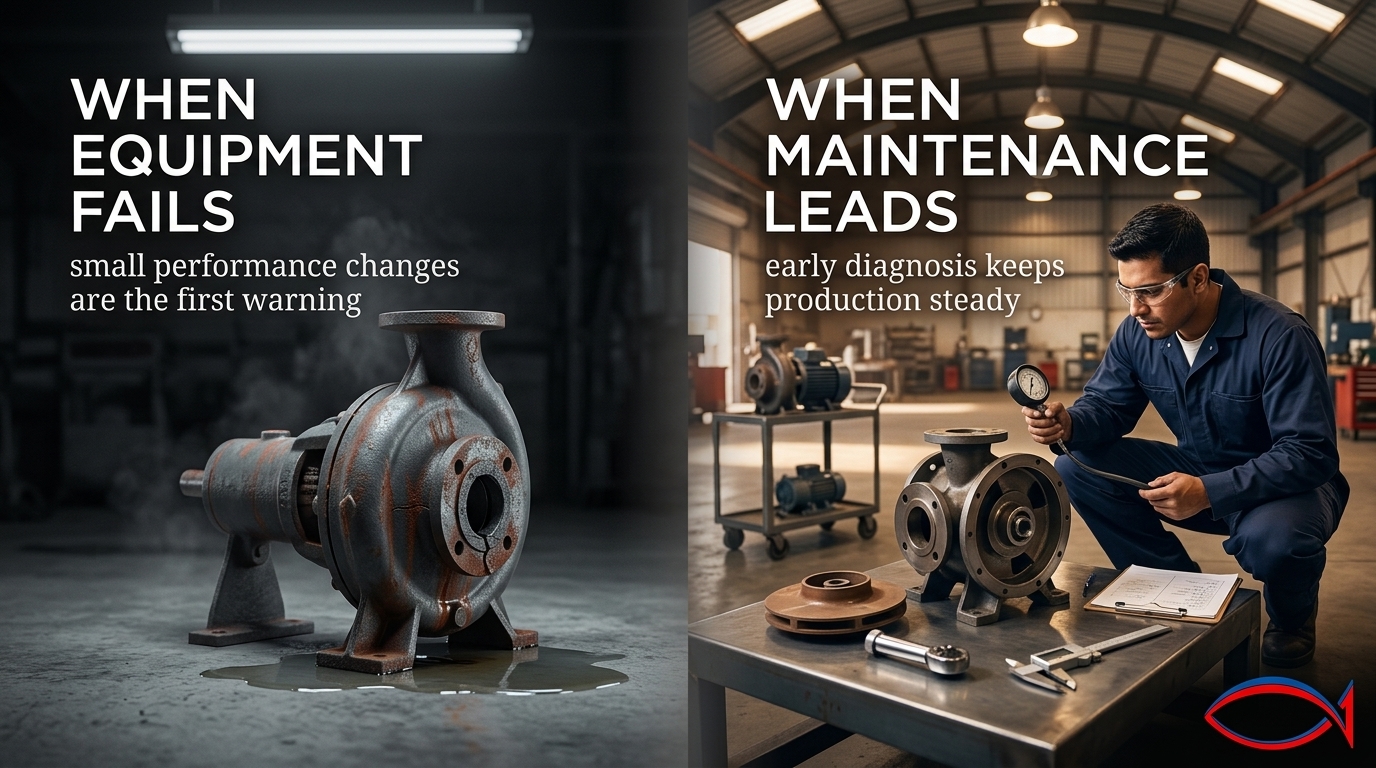
Regular maintenance and support are crucial for pump longevity. Partner with a service provider that understands your system and can offer timely support. This partnership ensures your pump is always in top condition and ready to perform.
Frequently Asked Questions
What factors should I consider when selecting a pump?
Focus on your specific process needs, fluid properties, and duty cycle requirements. These determine the best pump fit for your application.
How does pump selection impact operational costs?
A well-chosen pump reduces downtime and maintenance, leading to lower operational costs over time. It’s an investment in efficiency and reliability.
Why is NPSH important in pump selection?
NPSH ensures the pump can handle the fluid without causing cavitation, which can damage the pump and affect performance.
Can regular maintenance improve pump lifespan?
Yes, regular maintenance prevents unexpected failures and extends the pump’s lifespan. It ensures the pump operates efficiently throughout its life.
How do I prevent cavitation in my pumps?
Select a pump with the right NPSH and ensure it’s sized correctly for your application to prevent cavitation and prolong pump life.
Comments