

Find It Fast: Precision Troubleshooting That Protects Flow During Peak Summer Demand

When a critical line starts acting up during peak summer demand, every minute counts. Waiting too long to pinpoint the fault can turn a simple fix into a costly shutdown that affects your entire operation. Precision troubleshooting helps maintenance supervisors and operations managers isolate issues faster, reducing downtime and protecting flow. Knowing how to catch problems early gives your team the edge needed to keep production steady when it matters most. For more on reducing downtime, read this guide.
Overcoming Summer Production Challenges
When temperatures soar, so do the demands on your equipment. Precision in finding faults quickly becomes crucial to meet these demands.
Importance of Early Fault Detection
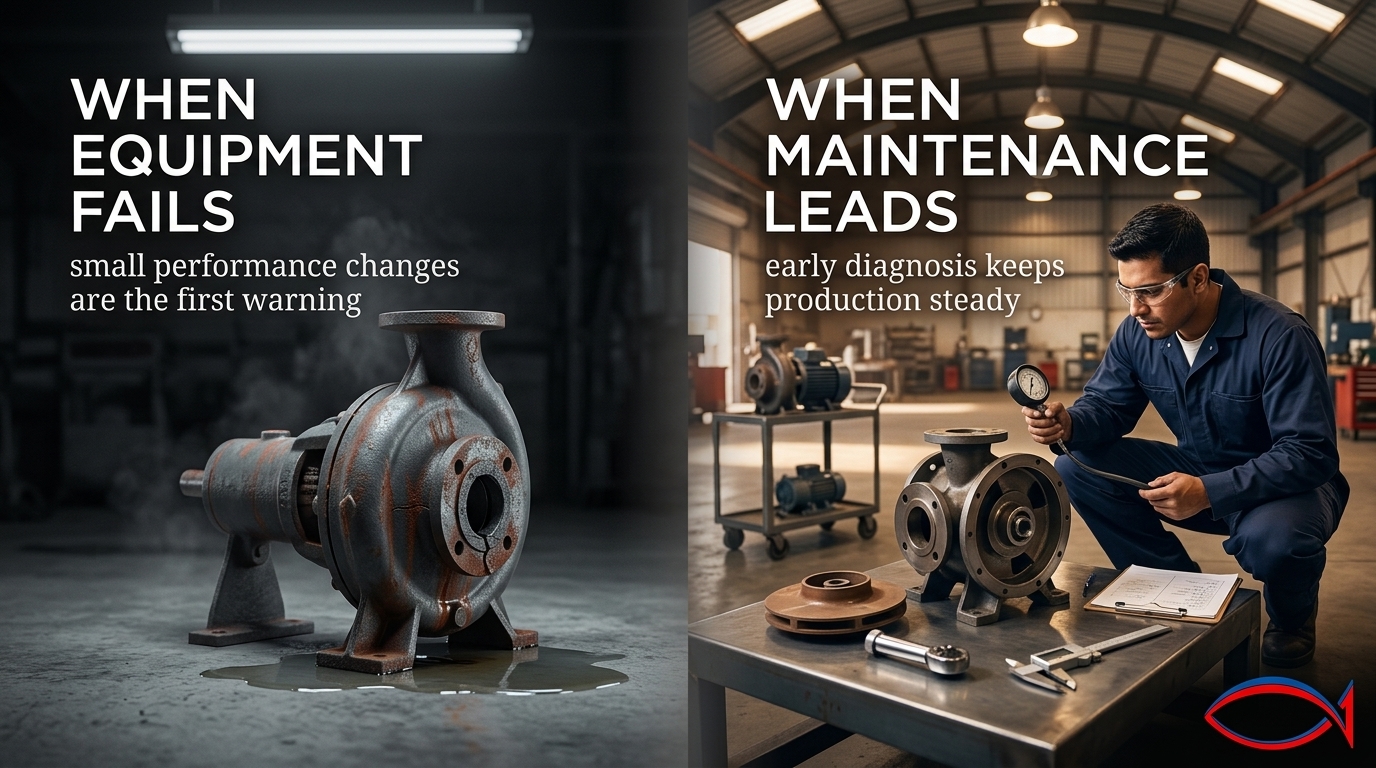
Identifying problems early is like catching a leak before it turns into a flood. Quick detection helps keep your equipment running smoothly during high-demand periods, preventing small issues from escalating. As operations managers, you know the importance of keeping systems in check. Early detection not only saves time but also reduces costs associated with extended downtime. By addressing faults promptly, you ensure that your team is always ready to meet production goals without surprises.
Minimizing Unplanned Downtime
Unexpected downtime can disrupt your entire operation. But with precision troubleshooting, you can reduce these interruptions significantly. Imagine having a plan in place that catches issues before they become serious. By focusing on early problem identification, you create a buffer against unexpected breakdowns. This proactive approach makes it easier for your team to maintain the flow, even when demand is at its peak. Consistent equipment performance means fewer delays and more satisfied clients.
Achieving Confidence in Operations
Trust in your systems grows when you know they're reliable. Early detection builds this trust by minimizing the risk of sudden failures. Confidence comes when each team member knows that any potential issue is already under control. With a reliable troubleshooting process, your operations can continue without the stress of unexpected failures. This assurance allows you to focus on meeting production targets with ease, knowing that your equipment is in capable hands.
Precision Troubleshooting Techniques
Precision is not just about fixing a problem; it's about understanding it thoroughly to prevent it from recurring.
Effective Root Cause Analysis
Getting to the heart of the problem ensures effective solutions. Root cause analysis digs deep into issues, revealing underlying causes that need addressing. By focusing on the root cause, you prevent the same problem from cropping up again. This method involves gathering data, analyzing the issue, and identifying the exact cause. Once you know what's wrong, you can apply targeted solutions, saving time and resources. This approach keeps your systems running smoothly, reducing the risk of repeated faults.
Advanced Diagnostic Methods
Advanced tools offer deeper insights into equipment health. These methods provide a clearer picture of what's happening beneath the surface. Using sophisticated diagnostic techniques, you can identify issues that might not be visible to the naked eye. This proactive approach allows for adjustments before problems become severe. By integrating these methods, you enhance your ability to maintain equipment effectively, ensuring production isn't interrupted by unforeseen issues.
Key Steps for Fault Isolation
Isolating faults quickly is crucial to maintaining system efficiency. Here’s how you can achieve this:
Data Collection: Gather all relevant data to understand the problem's scope.
Analysis: Examine the data to pinpoint the fault's location.
Action Plan: Develop a strategy to address and resolve the issue.
Implementation: Carry out your plan swiftly to minimize downtime.
Following these steps ensures that issues are dealt with efficiently, keeping your systems up and running.
Enhancing Maintenance Strategies
Improved maintenance strategies lead to better equipment performance and longer life spans.
Benefits of Predictive Maintenance
Predictive maintenance uses data to anticipate when maintenance should occur. This proactive strategy prevents unnecessary wear and tear. By predicting issues before they arise, you can schedule maintenance at the most convenient times. This approach helps avoid unexpected breakdowns, saving both time and money. Embracing predictive maintenance allows your team to focus on production, knowing that potential problems are managed in advance. For more insights, explore this article.
Integrating Preventative Approaches
Preventative maintenance is about regular check-ups to keep equipment in top shape. By scheduling routine inspections, you catch minor issues before they grow. This consistent care extends equipment life and improves performance. Preventative approaches mean fewer surprises, contributing to smooth operations. You gain peace of mind knowing that your systems are always ready to meet demand.
Optimizing Equipment Longevity
To get the most from your equipment, focus on practices that enhance its lifespan. This includes regular maintenance, proper handling, and timely upgrades. By investing in your equipment's health, you ensure it's always ready for peak performance. This not only saves money on repairs but also boosts overall efficiency. Your team will appreciate the reliability of equipment that consistently delivers results. Check out this guide for more maintenance strategies.
Frequently Asked Questions
What is early fault detection?
Early fault detection involves identifying issues in equipment at an initial stage. This process helps prevent small problems from escalating into major failures, ensuring smoother operations.
How can I minimize unplanned downtime?
Minimizing downtime involves using precision troubleshooting techniques and regular maintenance strategies. By addressing issues promptly and scheduling preventive care, you can reduce unexpected disruptions.
Why is root cause analysis important?
Root cause analysis is crucial because it identifies the underlying issues causing equipment failures. Understanding these roots allows for effective solutions, preventing the same problems from recurring.
What is predictive maintenance?
Predictive maintenance uses data analysis to predict when equipment maintenance should occur. This proactive approach helps prevent unexpected breakdowns by addressing issues before they arise.
How do I optimize equipment longevity?
Optimizing longevity involves regular maintenance, proper usage, and timely upgrades. These practices ensure your equipment remains in good condition, reducing the need for frequent repairs.
Comments